
Dangerous Pilot Attitudes and Their Antidotes: A Mindset for Aviation Safety
A pilot’s attitude profoundly impacts flight safety. More crucial than physical condition or recent experience is the ‘attitude’ that determines a pilot’s fitness for flight. Attitude, a motivational predisposition to react to specific situations, dictates the quality of decision-making. Erroneous dangerous pilot attitudes can lead to serious accidents.
Safe flight heavily relies on a pilot’s careful judgment. However, humans sometimes make risky decisions due to psychological factors. Understanding these dangerous attitudes and their antidotes is critical, not just in aviation, but in all risk management scenarios.
While dangerous pilot attitudes can hinder sound judgment, effective antidotes can change behavior. It’s essential to recognize dangerous thoughts when they arise and to immediately recall the appropriate antidote.
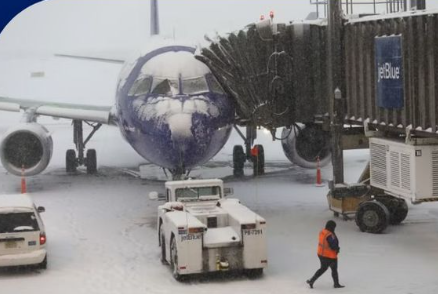
Consider one example: a pilot of an aircraft equipped with de-icing intentionally flew into severe icing conditions. He rationalized it, thinking “it will be fine this time too,” based on previous successful experiences. Tragically, both the pilot and passengers lost their lives due to faulty risk assessment. This was a catastrophe resulting from a combination of several dangerous attitudes.
Key Dangerous Attitudes and Effective Antidotes
1. Anti-Authority: “Don’t tell me what to do!”
This attitude is seen in individuals who dislike being told what to do and perceive rules, regulations, and procedures as unnecessary or foolish. They act as if saying, “No one can tell me what to do.” In the strict regulatory environment of aviation safety, this tendency is extremely hazardous.
Aviation safety rules are like lifelines, established through countless accidents and experiences. These rules serve as the last line of defense for the safety of pilots and passengers. Instead of simply rejecting instructions, one should strive to understand the background and purpose of the rules.
- Antidote: “Follow the rules. They are usually
right.”

If you have questions about a rule, it’s acceptable to ask rational questions. However, outright rejection only creates risk. Always remember that rules are primarily optimized for the safety of many people.
2. Impulsivity: “Let’s just get it over with!”
An impulsive person feels the need to do anything immediately and hastily. They act without thinking thoroughly, doing the first thing that comes to mind. During flight, snap decisions can have fatal consequences, making this attitude very dangerous.
Flight situations are constantly changing, and pilots can encounter unexpected circumstances. In such moments, hasty decisions can worsen the situation and threaten safety. Calmly considering multiple options and finding the safest path is essential.
- Antidote: “Not so fast. Think first.”

Before taking any action, develop the habit of pausing and re-evaluating the situation. It’s crucial to gather information and anticipate possible outcomes to make the best judgment within the given time. Careful thought is a core component of safe flight.
3. Invulnerability: “It won’t happen to me!”
Many people mistakenly believe that accidents only happen to others and that they are the exception. They know accidents can occur but feel personally immune. Pilots with this attitude are more likely to take unnecessary risks.
The thought “I’ll be fine” hinders thorough risk assessment. It can lead to ignoring clear danger signals like bad weather flying or faulty maintenance. All pilots are vulnerable to accidents, and this humble awareness is the first step toward safety.
- Antidote: “It could happen to me.”

Through this awareness, one must remain vigilant about risks and prepare thoroughly. Acknowledge that accidents can happen to anyone and always prepare for the worst-case scenario. This is the way to protect oneself and the lives of passengers.
4. Machoism: “I can do it!”
Pilots who try to prove their superiority to others think, “I can do it, I’ll show you.” They take risks to impress others. This show-off behavior is a dangerous tendency that can also be observed in female pilots.
True piloting skill comes from safe and efficient flight. Unnecessary low-altitude flying or reckless maneuvers only increase danger. Excessive confidence and heroism cloud judgment, ultimately endangering not only oneself but also the safety of others.
- Antidote: “Taking chances is foolish.”

It’s important to recognize that taking risks is not brave but foolish. The mark of a true professional is adherence to regulations and procedures, prioritizing safety above all else in any situation. Focus on the essence of safe flight rather than the opinions of others.
5. Resignation: “What’s the use?”
Pilots who think “What’s the use?” believe their actions have little impact on the outcome. If things go well, they attribute it to luck; if things go wrong, they blame misfortune. They give up efforts to improve the situation and act passively.
A resigned attitude prevents active responses in problem situations. It can easily lead to compliance with unsafe or unreasonable demands from others, resulting in greater risk. Pilots must not forget that they are the primary agents of control over flight situations.
- Antidote: “I am not helpless. I can make a
difference.”

Recognize how crucial your role is to flight safety and adopt a proactive stance. When you discover problems or receive unreasonable demands, have the courage and will to rectify them. It is important to believe that your will can positively change the situation.

Mastering dangerous pilot attitudes and their antidotes is more than just acquiring knowledge; it’s an ongoing process of self-reflection. By constantly guarding against these psychological risk factors and applying the antidotes in a timely manner, safe and reliable flight can be maintained. Examining one’s mindset and exercising optimal judgment at every moment of flight is the cornerstone of aviation safety.
Leave a Reply