
Why Do Pilots Make Bad Decisions? The Birth of ADM
When you board a plane taking off, when is the most dangerous moment? When an engine fails? Or when you hit bad weather?
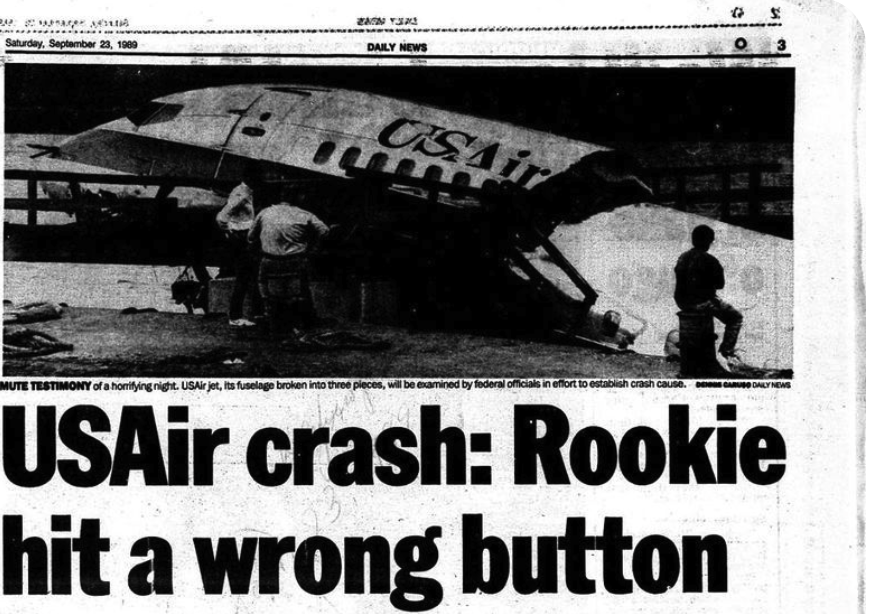
The answer is neither. Most aviation accidents—crashes and collisions—don’t happen because of mechanical failure or natural disaster. They happen because of pilot judgment errors. Here’s one truth the aviation industry has discovered over the past 40 years: approximately 80% of accidents are related to human factors.
Why do even experienced pilots make poor decisions? To systematically understand this and respond in real flight situations, a training system was developed called ADM (Aeronautical Decision-Making).
What Is ADM?

ADM is a systematic approach pilots use to determine the best course of action in response to conditions they encounter during flight.
More specifically, it means making all decisions while piloting an aircraft based on the most current information available at that moment.
Pilots make hundreds of decisions while flying. Changing altitude, changing direction, deciding whether to proceed with landing—at every moment, a pilot must answer the question: “Can I safely continue this flight right now based on the current situation and information?”
Think about everyday life. You check the weather and decide whether to take an umbrella. You look at the time and decide whether to change your route. Piloting an airplane follows the same process. The difference is that the cost of a mistake in flying is infinitely higher, so pilots must decide more systematically and more carefully.
Why Do Accidents Concentrate During Takeoff and Landing?
The statistics on general aviation reveal a striking pattern:
| Takeoff | 3.5% | 23.4% |
| Landing | 2% | 24.1% |
| Normal cruise | 83% | 15.7% |
This shows periods with short flight times but extremely high accident risk.
Takeoff and landing are the most complex maneuvers an aircraft can perform. A pilot must handle multiple things simultaneously: verify engine condition, adjust speed and altitude and attitude, respond to radio communications, monitor nearby aircraft, watch for weather changes.
Adding to this difficulty is the low altitude—there’s almost no time to respond. During cruise, if something goes wrong, there’s time and options to deal with it. But near landing, with only hundreds of meters of altitude remaining, there’s almost no room to respond to any situation. This is why accidents concentrate during landing.
The Reckoning of the 1970s and 1980s Aviation Industry
During the 1970s and 1980s, the aviation industry reached a decisive realization.
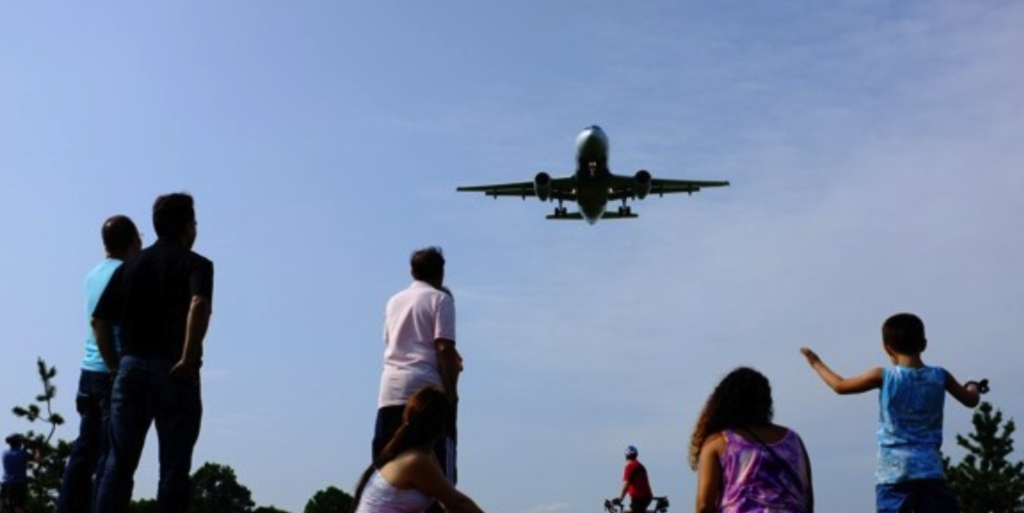
Accidents kept happening, but the cause wasn’t simple. The common finding among accidents investigated by airlines then was: the machinery was working fine. Fuel was sufficient, engines were functioning, aircraft structure was built to specification. But the pilot made a bad decision.
Examples included:
– Attempting to fly in severe weather
– Misjudging emergencies while fatigued
– Ignoring radio guidance and insisting on their own judgment
– Lack of clear communication between crew members
The aviation industry realized something crucial: no matter how much you improve the technology, you cannot reduce accidents unless you improve human judgment.
This realization eventually led to developing a new training program.
CRM (Crew Resource Management) Came First
The first training program airlines developed was CRM (Crew Resource Management).
CRM operates on a simple concept: use all resources in the cockpit—personnel, machinery, information—efficiently.
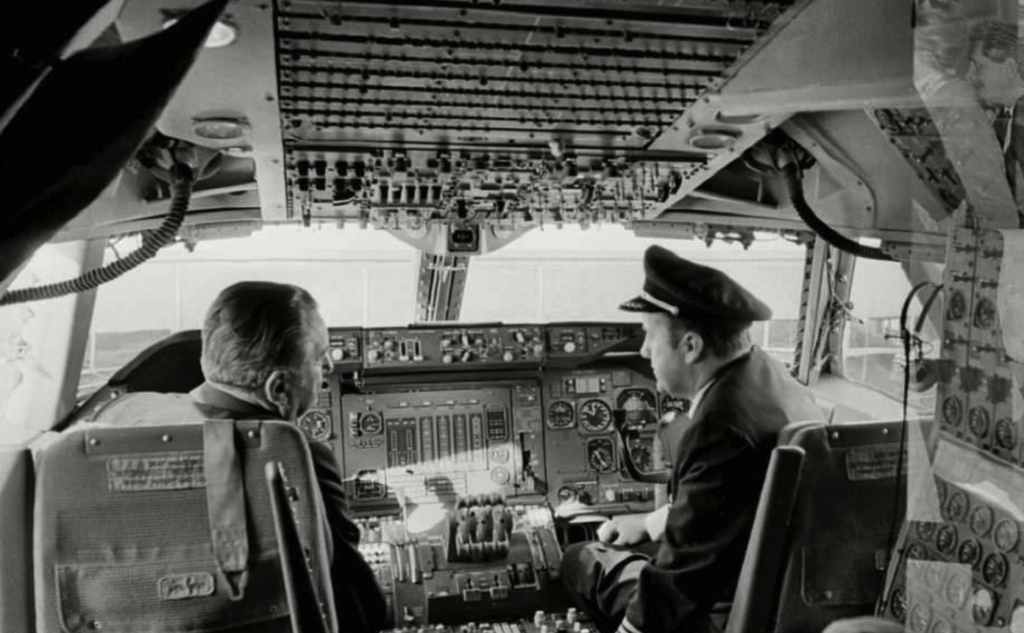
In the past, the captain’s command was absolute. First officers or crew members who noticed a captain’s mistake couldn’t point it out directly. The hierarchy was rigid. But this was the problem. If other crew couldn’t stop a captain from making a dangerous decision, accidents were inevitable.
CRM training changed this culture. If a first officer spots a captain’s error, they should point it out clearly while remaining respectful. Crew members should communicate openly. Anyone has the right to speak up for safety. That was the message.
After CRM proved effective, the industry went further. Some aircraft are operated by single pilots—particularly in helicopter emergency rescue operations and small commercial carriers. The industry realized that single pilots should apply the same decision-making principles, and this evolved into the concept of SRM (Single-Pilot Resource Management).
How the FAA Created ADM Training Materials
When the success of 1970s and 1980s airline innovations spread, the FAA (Federal Aviation Administration) took action.
Based on these results, the FAA decided to make this the standard for pilot training. Rather than offering abstract advice like “improve your judgment,” the FAA created systematized training materials and curriculum.
This process involved analyzing aviation accidents, researching pilot psychology, and collecting success stories from airlines.
The result was six ADM manuals published in 1987. Each manual was created for pilots at different qualification levels (commercial pilots, first officers, flight instructors). These manuals didn’t simply teach “how to make decisions.” Instead, they were structured this way:
- Why do pilots make bad decisions?
- What psychological traps exist?
- How do you recognize those traps?
- How do you make decisions systematically?
The manuals were filled with accident case studies. They analyzed real accidents that had occurred and continuously asked, “Why did this pilot make that decision?”
The Trap of Believing “Good Judgment Comes Automatically With Experience”
There was an old saying in the aviation industry: “Good judgment comes from experience. So if you accumulate enough experience, good judgment develops naturally.”
This isn’t completely wrong. But it’s incomplete.
Pilot A has 20 years of experience and caused an accident. Pilot B has 5 years of experience and is safe. Experience doesn’t guarantee good judgment.
Why? Because having lots of experience doesn’t mean you learn the right things from that experience. Some pilots had made dangerous decisions hundreds of times and got lucky—they never crashed. Those pilots think, “My way is right.” Experience makes them more dangerous, not safer.
What the FAA and airlines realized was: good judgment doesn’t develop from experience alone. It requires conscious learning and training.
This is why ADM training materials matter. Whether a pilot is highly experienced or relatively new, they need to be trained to think using the same systematic method.
ADM Training Effectiveness Proven by Research
Creating the materials wasn’t the end. The FAA proved through experiments that these materials actually worked.
Pilots were divided into two groups:
– Group A: Received standard flight training only (aircraft operation, navigation, etc.)
– Group B: Received standard flight training plus ADM training
The flight test results were clear.
Pilots who received ADM training made 10 to 50 percent fewer judgment errors.
Think about what a 50 percent reduction means. The probability of making a bad judgment during flight is cut in half.
There were even more striking results. One U.S. airline operator conducted approximately 400,000 flight hours annually. After including ADM materials in its recurrent training program, the accident rate decreased by 54 percent.
These figures proved that systematic decision-making training saves lives.
The Six Steps of Good Decision-Making That ADM Teaches
ADM isn’t an abstract philosophy—it’s a concrete six-step process.
Pilots apply these six steps to every situation they encounter during flight (bad weather, mechanical issues, crew problems, etc.):
- Identify Hazards—What is dangerous in the current situation?
- Assess Risks—How serious is that hazard? What’s the probability it will occur?
- Analyze Controls—What methods reduce this risk?
- Make Control Decisions—Which method will I choose?
- Use Controls—Actually implement the chosen method.
- Monitor Results—Was my decision effective? Are any new risks emerging?
These six steps apply not just in aircraft cockpits but in any critical decision situation. For example:
– Deciding whether to take a new job
– Deciding whether to spend significant money
– Choosing in a dangerous situation
By working through these six steps, you make more systematic and safer decisions.
What’s Coming Next
Eighty percent of aviation accidents don’t come from mechanical failure—they come from pilot judgment errors.
During the 1970s and 1980s, the aviation industry solved this problem by developing CRM training. Based on that success, the FAA published ADM (Aeronautical Decision-Making) training materials in 1987.
Research showed that pilots trained in ADM made 10 to 50 percent fewer judgment errors, and in actual operating environments, accident rates decreased by 54 percent.
Good judgment doesn’t develop automatically from experience. Systematic learning and training are necessary.
In the next article, we’ll explore the psychological reasons pilots make bad decisions. You’ll learn about five dangerous attitudes hidden in a pilot’s mind and the countermeasure for each. We’ll examine together why experienced pilots, capable people, make dangerous decisions—and understand the mechanism behind it.
Leave a Reply