

Aeronautical Decision-Making (ADM): The Core Process for Safe Flight
Aeronautical Decision-Making (ADM) is a systematic judgment process that pilots employ to ensure safe and efficient flight within the aviation environment. Based on the given circumstances and the latest information, pilots consistently make the most appropriate course of action. This process is a critical competency for pilots, essential for guaranteeing flight safety.
The Essence of Aeronautical Decision-Making (ADM)
Aeronautical Decision-Making goes beyond simple choices. It is a high-level cognitive ability to understand and respond to complex situations that pilots encounter at every stage of flight. ADM provides a mental framework for pilots to achieve safe outcomes amidst various variables and uncertainties.
Decision-Making in a Unique Flight Environment
The flight environment possesses unique characteristics unparalleled by any other situation. Unlike ground-based decision-making, aeronautical decision-making is always accompanied by time constraints, incomplete information, and high consequence severity. These characteristics differentiate ADM from general decision-making processes.
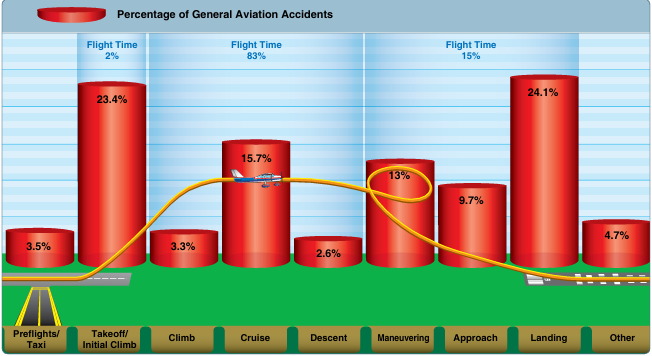
- Time Constraints: During flight, rapid decisions
are required. In cases of weather changes or system malfunctions, pilots
must make optimal judgments within a limited timeframe. - Incomplete Information: Not all information is
always clearly provided. Pilots must accurately assess situations and
make decisions amidst fragmented or ambiguous data. - High Consequence Severity: The outcomes of
aeronautical decisions directly impact the lives of those on board. Even
minor mistakes or misjudgments can lead to catastrophic results,
demanding extreme caution in every decision. - Complex System Interactions: An aircraft is a
collection of numerous complex systems. Pilots must understand system
interactions and anticipate potential errors when making decisions.
Systematic Mental Approach and Risk Management
Aeronautical Decision-Making (ADM) is not based on instinctive judgment but follows a trained and systematic mental procedure. Pilots utilize structured thought processes to make consistent and reliable decisions. ADM involves a series of steps to identify risk factors, evaluate available alternatives, and select the optimal solution.
In actual flight training, various ADM models are widely used. These include the DECIDE Model (Detect, Estimate, Choose, Identify, Do, Evaluate), the 3P Model (Perceive, Process, Perform), and the PAVE Checklist (Pilot, Aircraft, enVironment, External pressures). These models provide a concrete framework that helps pilots systematically make decisions and manage risks in complex situations.
The systematic nature of ADM is achieved through the following steps, including risk management. These form the basic framework for pilots to effectively manage complex flight situations.
- Situational Awareness: Accurately grasp and
understand the current flight situation, environment, and aircraft
system status. Continuous monitoring of surrounding information is
crucial. - Problem and Risk Identification: Based on
situational awareness, clearly define potential problems or risk
factors. It is important to identify what is wrong or what could go
wrong. - Information Gathering and Evaluation: Collect
additional information necessary for problem-solving and risk
management, and evaluate the reliability and relevance of each piece of
information. The ability to utilize all available resources is
essential. - Alternative Identification: Explore several
possible solutions or courses of action for the identified problem.
Creative and flexible thinking can be helpful. - Alternative Analysis and Risk Assessment:
Comprehensively analyze the pros and cons, potential risks, and expected
outcomes of each alternative. This is crucial for narrowing down
choices. - Optimal Action Selection: Based on the analysis,
finally decide on the safest and most efficient course of action. Risk
mitigation strategies should be considered at this stage. - Execution and Monitoring: Implement the chosen
action and continuously monitor its results and changes in the
situation. This is the process of confirming whether the decision is
working correctly. - Re-evaluation and Modification: If necessary,
re-evaluate and modify the initial decision based on monitoring results.
Since flight situations are constantly changing, flexible response is
essential.

The Importance of ADM
Aeronautical decision-making ability is considered a core competency for pilots, extending beyond mere knowledge. It is essential for ensuring flight safety, maximizing flight efficiency, and effectively responding to unpredictable situations. Well-trained ADM helps pilots preemptively recognize potential hazards and calmly respond in crisis situations.
A significant portion of aircraft accidents stem from human error, particularly inappropriate decision-making. Various human factors such as fatigue, stress, and complacency can degrade the quality of decision-making. ADM focuses on managing these human factors to enhance decision-making quality. Therefore, all pilots must deeply understand and continuously train in this systematic decision-making process. This contributes to building a safety culture across the aviation industry, beyond individual safety.
Conclusion
Aeronautical Decision-Making (ADM) is the cornerstone of flight safety and an indispensable skill for pilots. Through a systematic approach in a dynamic flight environment, it enables optimal decisions based on the latest information and risk management. Pilots must continuously cultivate consistent and reliable judgment in any situation through ADM training.
Leave a Reply