
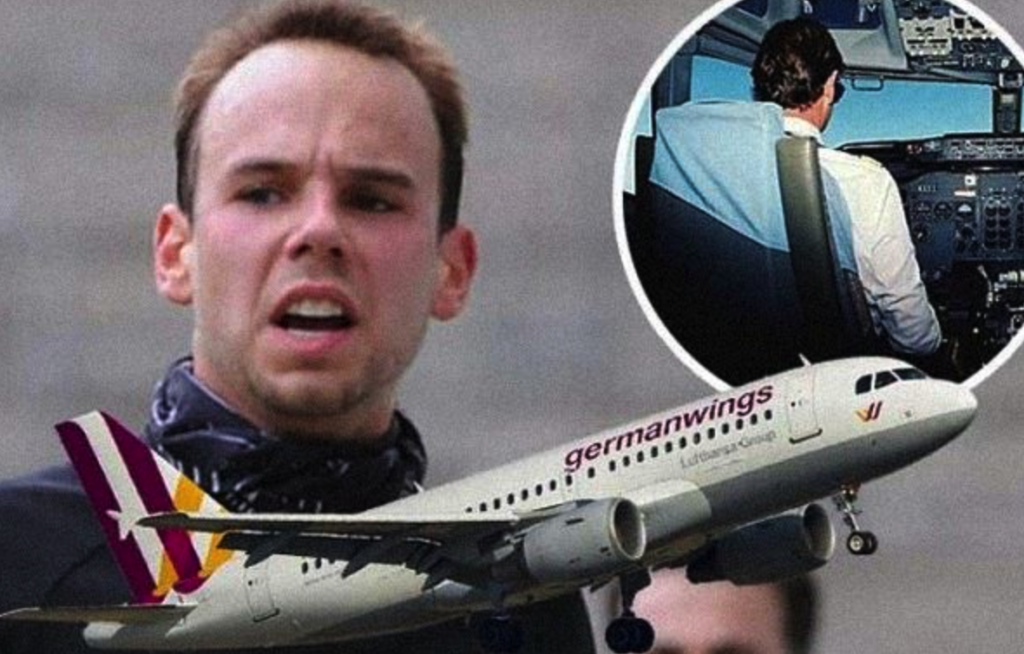
A pilot is, in essence, the ultimate chauffeur of the skies. Entrusted with hundreds of lives, a pilot’s core education revolves around a single, unbreakable dogma: “Safety is the First Priority.” Every decision made in the cockpit carries the weight of human survival.
However, when the very person sworn to protect the passengers decides to weaponize the aircraft, the results are catastrophic. This is the harrowing story of Germanwings Flight 9525, a tragedy driven by a co-pilot’s severe depression, marking one of the darkest murder-suicides in aviation history.
Overview of the Disaster
On March 24, 2015, an Airbus A320-211, operating as Germanwings Flight 9525 (4U9525), crashed into the French Alps. All 144 passengers and 6 crew members on board perished instantly. The flight was a scheduled international service from Barcelona-El Prat Airport in Spain to Düsseldorf Airport in Germany.
The Mysterious Descent
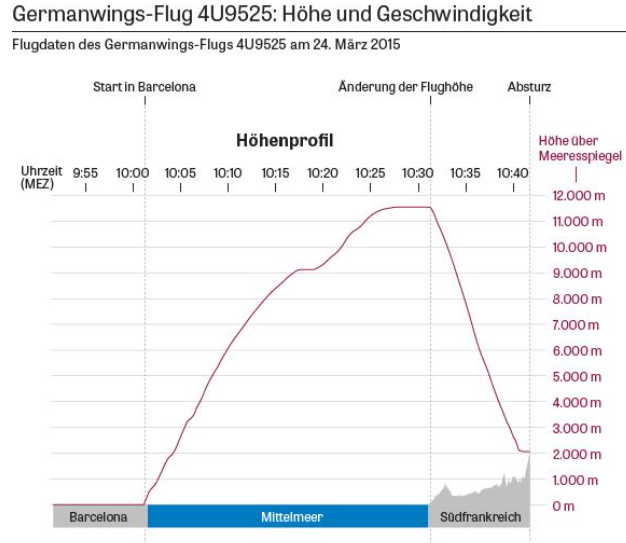
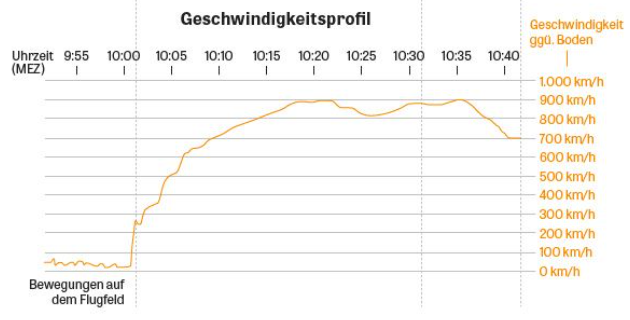
The aircraft took off at 10:01 AM. By 10:27 AM, it had reached its cruising altitude of Flight Level 380 (38,000 feet). However, just four minutes later, at 10:31 AM, the aircraft began a rapid, unexplained descent. Over the next ten minutes, the plane plummeted until radio contact was lost at 6,800 feet. It struck the mountainside at 10:41 AM.
Before the black boxes were recovered, theories ran rampant:
Mechanical Failure: Speculation pointed to a 2014 incident involving an Airbus A321, where icing on Angle of Attack (AOA) sensors caused the autopilot to command a 4,000 fpm dive.
Sudden Depressurization: Some argued that the crew might have been incapacitated due to a sudden loss of cabin pressure.
However, aerodynamic anomalies raised questions. Usually, an aircraft losing lift during a stall accelerates due to gravity. Initial outside observations noted complex speed changes, but official investigations later revealed a chilling reality: the speed changes weren’t environmental, they were manually controlled.
The Chilling Black Box Transcript
When investigators opened the Cockpit Voice Recorder (CVR) and Flight Data Recorder (FDR), the terrifying truth came to light:
10:27 – The Captain briefs the landing plan. Co-pilot Andreas Lubitz gives short, ominous replies, using words like “Hopefully” and “We’ll see.”
10:29 – The Captain leaves the cockpit to use the restroom. Lubitz immediately locks the cockpit door and commands the autopilot to descend to 100 feet. The Captain is heard knocking, then shouting, “Open the goddamn door!” as passenger screams begin.
10:35 – Loud metallic banging sounds are heard. The Captain attempts to break the reinforced door using a crowbar and emergency equipment from the cabin.
10:37 – The Captain continues to scream desperately for entry.
10:38 – The CVR records only the steady, calm breathing of Andreas Lubitz. He says nothing.
10:40 – The right wing strikes the mountain. The recording ends with final, collective screams.
Following the September 11 attacks, cockpit doors were redesigned to prevent external forced entry—even with explosives. Once locked manually from the inside, it is impossible to override from the cabin, leaving the Captain completely helpless.
The Root Cause: Hidden Depression
The ultimate cause of the crash was the severe mental health crisis of Co-pilot Andreas Günter Lubitz.

Lubitz had a history of severe depressive episodes and suicidal tendencies. To the outside world, he was a polite, competent young man, leaving friends and family in absolute disbelief. However, he had hidden his medical condition from his employer. On the day of the crash, he was in possession of a torn-up “unfit for work” note from a doctor, which he chose to conceal to protect his flying career.
The Aftermath and Institutional Changes
This tragedy forced the global aviation industry to fundamentally change its protocols:
The “Two-Person Rule”: Many aviation authorities and airlines implemented a mandatory rule requiring at least two crew members in the cockpit at all times. If a pilot leaves, a flight attendant must take their place.
The Mental Health Dilemma: Aviation Medical Examiners (AMEs) emphasize that a diagnosis of depression should not automatically end a pilot’s career permanently. With proper treatment, peer support, and transparency, pilots can safely return to the skies.
The tragedy of Germanwings 9525 highlighted the dangerous gap between strict medical confidentiality laws and public safety. It serves as a permanent, painful reminder to the aviation community: Safety is the first priority, and that includes the mental well-being of the person at the controls.
Leave a Reply