
The Day America First Put Law in the Sky: The Air Commerce Act of 1926
As we saw in the previous installment, the inauguration of the transcontinental airmail route in 1921 meant that airplanes were no longer playthings for mechanical hobbyists. The sky had become a stage for commerce. But in the early 1920s, American airspace was a lawless frontier.
The Era of Flying Without a LicenseIf you had the money to buy an airplane, you could fly it. Government approval? A license? Neither existed. There were no mechanics to maintain the aircraft and no inspectors to verify whether an airplane was safe.
Everything in the sky was free, but at the same time, everything was dangerous. Planes crashed by the dozens every day, and pilots departed each morning with an attitude of “if we’re lucky, we’ll make it back.”
Why Law Was Needed: Accidents on the Airmail Route
By the mid-1920s, transcontinental airmail pilots were enduring a nightmare. Daytime flying was manageable, but once the sun set, it became hell. Getting lost during night flights was routine. Maps were inaccurate, and as planes crossed deserts and mountain ranges with barely a light in sight, pilots lost their bearings and struck mountains.
Leaders in the aviation industry raised their voices to the government. If the airplane was truly going to become the transportation of the future, safety standards were essential. Pilots needed to be regulated through licensing. The government had to verify whether aircraft were safe. And the night sky needed to be illuminated so pilots wouldn’t get lost.
May 20, 1926: America’s First Aviation Law
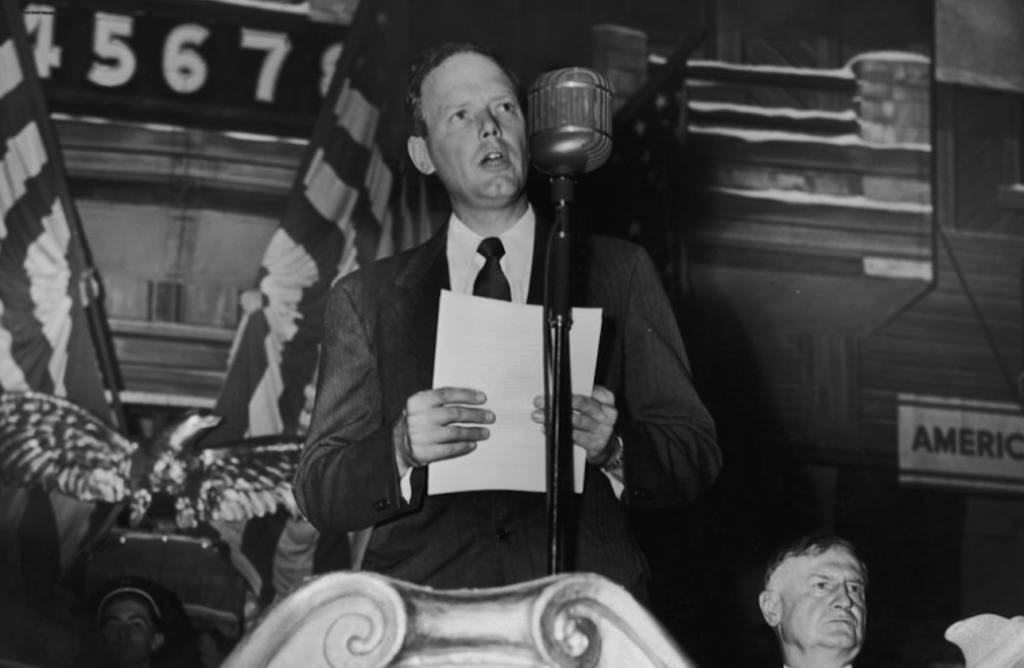
On May 20, 1926, Congress passed the Air Commerce Act. This single law changed everything about American airspace.
“The Secretary of Commerce shall foster air commerce, issue and enforce air traffic rules, license pilots, certificate aircraft, establish airways, and operate and maintain aids to air navigation.”
It sounds simple, but what this sentence meant was enormous. The government was beginning for the first time to regulate the sky through law. It was no longer a lawless frontier.

The Birth of the Aeronautics Branch
The Department of Commerce quickly created the Aeronautics Branch—the government’s first agency dedicated exclusively to aviation.
The work was substantial. The Branch had to verify that pilots truly had the ability to fly and issue them licenses. It had to inspect and certify aircraft for safety. It had to mark and manage airways. It had to construct navigation facilities to assist night flying.
The roots of everything you see today when you look at an “FAA Approved” sticker on an aircraft date back to this moment. Aeronautics Branch employees began traveling to airplane factories, airfields, and flight schools to enforce standards.
Beacons in the Night: 51-Foot Towers
The most visible change brought by the Air Commerce Act was the towers that illuminated the airways.
The greatest fear of 1920s airmail pilots was getting lost at night. The Department of Commerce built beacon towers along the transcontinental airmail route at regular intervals.
Fifty-one feet tall. One every ten miles. Each tower was topped with a powerful rotating light, and below that were “course lights” that pointed forward and backward along the airway. These lights flashed in specific patterns to tell pilots their location—”You’re at beacon 5,” “You’re at beacon 8,” and so on.
At the base of each tower was a 70-foot concrete arrow painted on the ground. A pilot flying during daylight could use this arrow to reconfirm direction. If an aircraft got lost at night, the rotating beacon would help it find its way. Generator buildings were constructed nearby when needed.
This may sound simple, but it was revolutionary technology. Before 1926, pilots had to constantly look down at a map while flying. That was impossible at night. Accidents increased. Each beacon tower was the government’s message: “Don’t get lost.”
The First Federal Pilot License—April 6, 1927
The law had been passed. The agency was in place. Now came implementation.
On April 6, 1927, the Aeronautics Branch issued the first federal pilot license in history. Pilot certificate number one went to William P. MacCracken Jr.—the chief of the Aeronautics Branch himself.
(As a note: Orville Wright, one of the Wright brothers, was eligible. But he had already retired as a pilot and declined the honor.)
The significance of this single license was enormous. The government was officially recognizing that “this person is qualified to pilot an aircraft.” A rule had been established: you cannot fly an airplane without a license. Pilots could no longer personally claim dominion over the sky as a personal hobby.
Even Airplanes Must Be Inspected: The Birth of Type Certification
It wasn’t just pilots. The aircraft themselves had to pass government inspection.
On March 29, 1927, the Aeronautics Branch issued the first airworthiness type certificate in history—the government’s official seal saying “this design of aircraft is safe.”
The first recipient was the Buhl Airster CA-3, an open biplane that could carry three people. This aircraft became the world’s first airplane that the government officially guaranteed to be safe.
Those stickers on the fuselage of the aircraft you fly today—”FAA APPROVED” and others—all descend from this airworthiness certification. Airplanes could no longer be maintained by just anyone. The government had to put its stamp on it saying “this aircraft is acceptable” before it could fly.
Mechanics Too Must Have Government Credentials
After pilots and aircraft came the question of who maintained them.
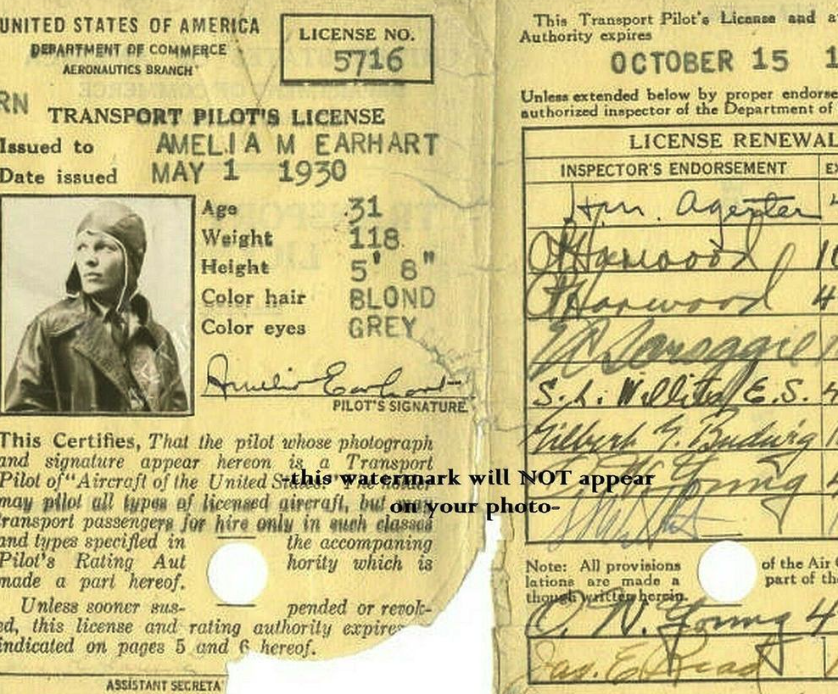
In the summer of 1927, the Aeronautics Branch began a federal certification system for aircraft mechanics. Even the people who touched the airplane had to be recognized by the government. Mechanics now needed a license.
The chain that managed safety in the sky was now complete. A pilot certified by the government. An aircraft certified by the government. A mechanic certified by the government. Three links supporting each other.
The 1934 Name Change: Entering the Era of Commercial Aviation
Seven years later, in 1934, the Department of Commerce renamed its Aeronautics Branch. It became the Bureau of Air Commerce.
Why? Because aviation had moved beyond the realm of hobby and experimentation into commerce. Airlines were flying passengers every day. Commercial aviation was no longer optional—it had become central to America’s transportation system. A simple name change reflected this shift in reality.
During this period, the Bureau of Air Commerce accomplished something even larger. It brought airlines together and encouraged the construction of the first three Air Traffic Control (ATC) centers. Then, beginning in 1936, the government began operating these centers directly. Now pilots could communicate with controllers over radio while flying. Maps and arrow markings were no longer enough.
The Core of This Chapter
Just ten years earlier, in 1916, the idea of a “pilot’s license” would have sounded absurd. Verify that an airplane is safe? Have the government certify pilots? Have the nation manage airfields? Even people in the aviation industry in the early 1920s doubted whether such regulation was necessary.
But on May 20, 1926, with a single Air Commerce Act, everything changed. America created a system where the government manages the sky. Pilot certificates, aircraft type certifications, mechanic licenses, marked airways—all of it began with that one law. A hundred years later, almost every safety regulation you see when you board a plane is a descendant of that 1926 law.
Next installment: The Bureau of Air Commerce continued its success. But in 1938, the government reorganized again. Why? Because aviation had come to require not just commerce (Department of Commerce), not just safety (Aeronautics), and not just economic regulation (a new agency)—it needed all three. In the next installment, we’ll explore how the Civil Aeronautics Act of 1938 divided the Bureau of Air Commerce and created the direct predecessor to the modern FAA.
Leave a Reply